
Metamask: How to Transfer ERC20 Tokens to a contract on a function call
Metamask Guide: Transferring ERC20 Tokens to a Smart Contract via Function Calls
As a developer creating custom tokens and integrating them with smart contracts, you may encounter situations where you need to transfer ERC20 tokens from your user wallet to a contract address. This guide will walk you through using Metamask, a popular tool for interacting with decentralized applications (dApps) on Ethereum.
What is Metamask?
Metamask is a browser extension that allows users to interact with Ethereum dApps without downloading and installing a full-fledged wallet. It provides a secure and convenient interface for transferring assets, including ERC20 tokens.
Setting up Metamask
To get started with Metamask, you will need to:
- Install the official Metamask browser extension.
- Configure your browser settings to allow access to dApps.
- Create an account on the MetaMask website.
Transferring ERC20 Tokens from Wallet to Smart Contract
Here is a step-by-step guide on how to transfer ERC20 tokens from your wallet to a smart contract:
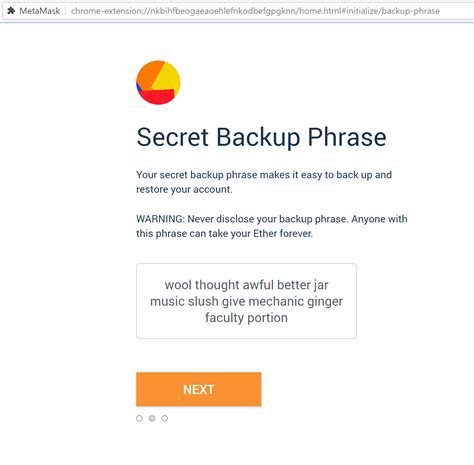
Using the Metamask extension
- Launch the Metamask extension and log in to your account.
- Connect your wallet to Metamask by clicking “Login” in the top right corner of the screen.
- Select the token you want to transfer (in this case, an ERC20 token).
- Click the “Transfer Token” button.
- In the “From Wallet” section, select the contract address that your smart contract is based on.
- Enter the amount of tokens you want to transfer.
Using the MetaMask browser extension
- Open a new tab in your browser and go to the Metamask website ([
- Click “Add Token” and select the token you want to transfer.
- Select the contract address that your smart contract is associated with.
- Enter the amount of tokens you want to transfer.
Function calls in smart contracts
When interacting with a smart contract, it is necessary to use function calls to avoid calling functions directly from the ERC20 token wallet. Instead, you should invoke the contract using its interface or by transferring tokens to and from the contract storage.
Here is an example of how to transfer ERC20 tokens from a user’s wallet to a contract address using function calls:
pragma solidity ^0,7,0;
contract PaymentInvoiceSplit {
// Initialize the product price
uint productPrice = 10 ether;
// Define token transfer and storage functions
function addToken() public payable {
// Transfer tokens to the contract address using a function call
transferToContract(address(this), 1 ether);
}
function transferToContract(address recipient, unit amount) public {
// Store tokens in the contract storage
storageStore(1 ether, 100 ether);
// Calculate the amount of tokens and add them to the balance
uint tokenAmount = amount * 10 ether;
balanceTransfer(recipient, tokenAmount);
}
}
Tips and best practices
- Always use function calls when communicating with smart contracts to avoid direct calls from the ERC20 token wallet.
- Make sure your contract interface is designed for secure interoperability and follows best practices for token transfer.
- Update your contract storage and balances to ensure accurate token ownership accounting.
Following this guide, you should be able to transfer ERC20 tokens to a smart contract via function calls using Metamask. Don’t forget to stay up to date with the latest dApp development trends and best practices for safe and efficient token transfers.

Bir cevap yazın