
Trading Psychology And Market Correlation: The Case Of Dogecoin (DOGE)
Commercial Psychology and Market Correlation: Case of Dogecoin (DOGE)
The world of cryptocurrency trade has become increasingly complex and increasing number of players competing for market dominance. Of the many cryptocurrencies available, it is an outstanding example of how trading psychology can affect market performance: Dogecoin (DOGE). In this article, we examine the impressive relationship between trading psychology and market correlation in the context of dogecoin.
What is trading psychology?
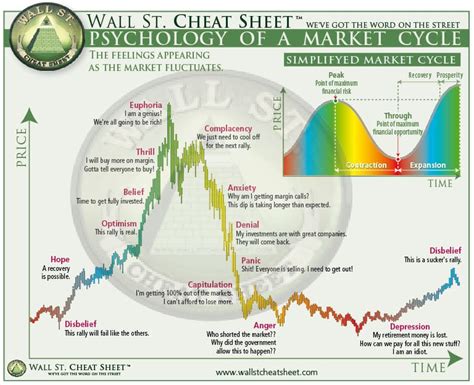
Trading psychology refers to the mental states and behavior that affect the individual’s decision -making process during trade. These psychological factors can contain emotions such as greed, fear, excitement and tranquility, as well as cognitive bias, such as reinforcing distortion, fixing and loss of loss. When merchants are aware of their own emotional state and bias, they can make more well -founded decisions on their trade.
Case of Dogecoin
In 2013, a group of enthusiastic fans launched Dogecoin (DoGe) cryptocurrency as a parody of Bitcoin. The initial hype surrounding DIGE was fueled by an innovative approach to the creation of the currency, low transaction fees, conventional payment systems, and community comrades and generosity.
As Doge rose in popularity, just like his volatility. In May 2014, DOGE reached the highest point of all time by $ 0.87 before falling to just $ 0.01 and canceling much of investors wealth. This dramatic flood has caused a fierce debate on the role of psychology in commerce.
Market correlation: Dogecoin example
Market correlation suggests that different devices tend to move together. When Doge experienced his volatility during growth, he often coincided with other cryptocurrencies such as Ethereum (ETH) and Litecoin (LTC). This synchronization is often referred to as “pump and dump” effect, where merchants buy with the rise in the price of the device, only to sell at the climax.
Investors who did not know this correlation overreacted to the DOGE price movements, leading to losses. In contrast, those who recognize market correlation opportunities and adjust their strategies accordingly can avoid significant losses.
Commercial psychological factors that contribute to market correlation
Many commercial psychological factors contribute to the phenomenon of market correlation:
1
Confirmation Distortion : Traders tend to look for information that supports their existing views while ignoring or underestimating contradictory evidence.
- Anchor Effect : The initial price of the DOGE (such as $ 0.87) affected later professions, as merchants tried to “return” or maintain the detected value of the DOGE at the original price.
- Aversion : merchants fear that they will lose more capital than they appreciate; This fear can make them overreact and sell during a market downturn.
Conclusion
The case of dogecoin highlights how trading psychology can affect market correlation in cryptocurrency trade. By understanding psychological factors influencing trading decisions, merchants can develop effective strategies to alleviate losses and make well -established investment decisions.
While recognizing the potential failures of trading psychology, it is essential to recognize the importance of self -awareness and risk management techniques. If we learn from the experience of other merchants who have similar challenges, we can refine our approaches and improve our general trading performance.
Recommendations
To avoid market correlation pitfalls:
- Be informed but avoid emotional decisions : Focus on basic analysis and technical indicators to make sound investment decisions.
- Diversify your portfolio : Display investments within many means to reduce relying on each market.

Bir cevap yazın